Here's some quick facts about Hong Kong:

Thinking of moving to Hong Kong? Discover everything you need to know in our Ultimate Hong Kong Relocation Guide.
Planning a relocation to Hong Kong? You're joining thousands of expats every year who move to Hong Kong, drawn by its outstanding quality of life, dynamic economy, unique East-meets-West culture, and reputation as one of Asia's most exciting and diverse cities. It's easy to see why so many people choose to make Hong Kong their new home.
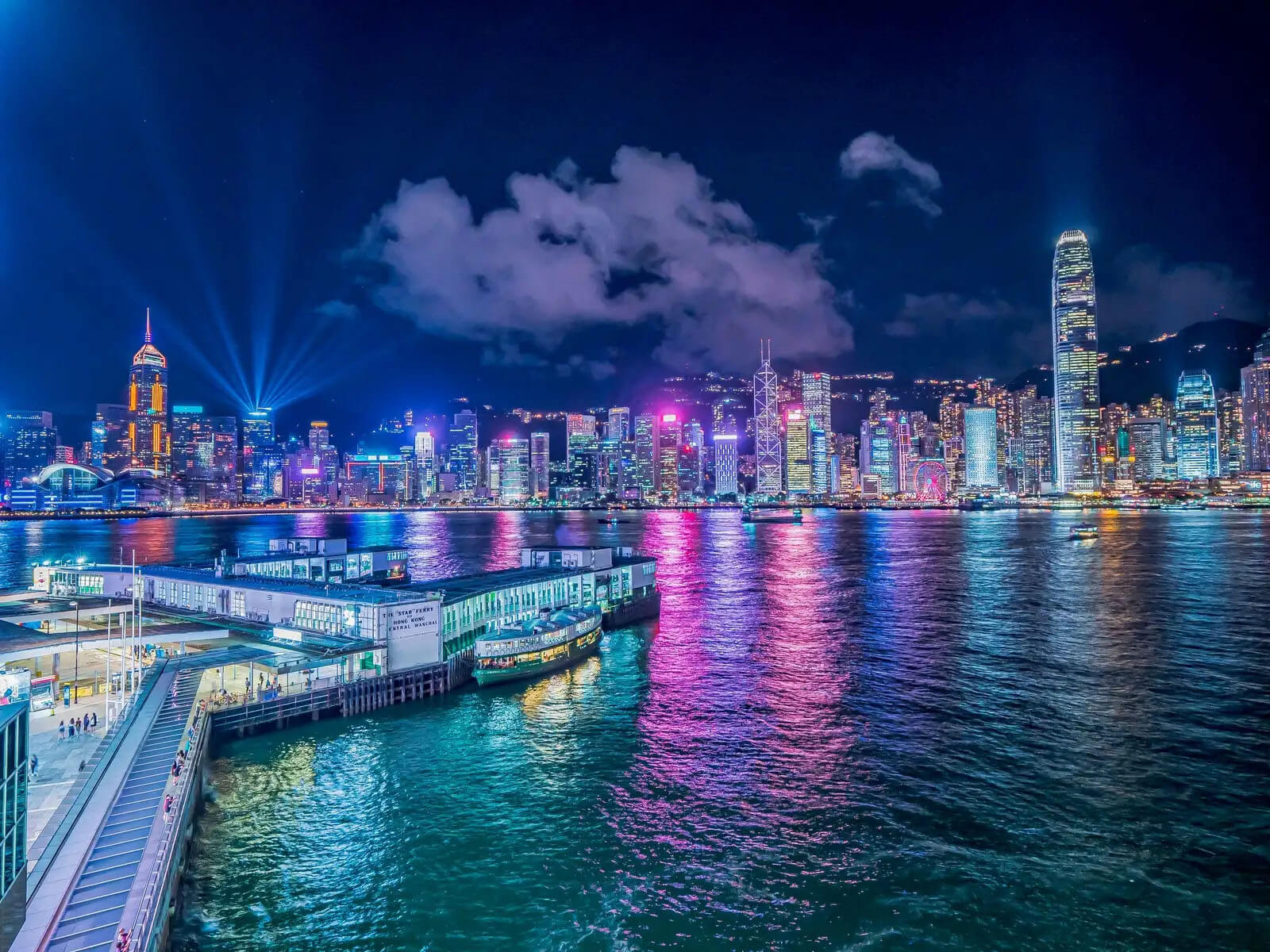
Hong Kong consistently ranks among the globe's most desirable destinations, offering an exceptional blend of economic opportunity and cultural richness, world-class infrastructure and connectivity, stunning natural beauty from hiking trails to outlying islands, and vibrant urban life. From the bustling streets of Central to the traditional markets of Kowloon, the scenic beaches of the New Territories to the towering skyscrapers of Victoria Harbour, Hong Kong provides expatriates with a unique living experience that combines Asian heritage with international business culture.
This ultimate relocation guide for Hong Kong will walk you through every essential aspect of the moving process, from immigration pathways to settling into Hong Kong life. We'll show you how to move to Hong Kong step by step - including what to know about shipping your luggage or personal belongings safely overseas. Whether you're planning to work, study, retire, reunite with family, or start a business, we'll provide the practical insights needed to make your transition as smooth as possible.
This ultimate guide covers all the essential aspects when you move to Hong Kong, including:
Please note that the information provided in this guide is based on averages and general conditions at the time of writing. Factors such as policy updates, economic changes, and inflation may affect costs, visa requirements, or regulations over time. Prices and living expenses are indicative and should be used as a reference only.
We strongly recommend conducting your own research alongside this guide, checking official sources. We hope this guide both inspires and informs you as you plan your move to Hong Kong.


When considering the best way to relocate to Hong Kong, proper planning makes all the difference. The first step is determining the right immigration pathway for your situation, as this forms the foundation of your entire move. Once your immigration status is secured, you can focus on the practical aspects - organising moving services to Hong Kong for your belongings, finding temporary or permanent accommodation, and setting up essentials like banking, healthcare registration, and mobile phone services.
It's also wise to research different regions and districts beforehand to find areas that match your lifestyle preferences. Whether you're drawn to vibrant metropolitan centres like Central and Wan Chai, prefer the cultural richness of Kowloon, want access to beaches and nature in the New Territories, or are seeking the convenience of well-connected MTR stations, each area offers distinct advantages. By addressing these key details early, from flights to finances, you'll ensure a smoother transition and more time to settle into your new Hong Kong adventure.
Yes, you'll need the appropriate immigration status to move to Hong Kong. Choosing the right pathway is crucial, and starting early gives you time to gather documents and meet requirements.
Your eligibility depends on factors like education, work experience, language skills (English, Cantonese, Mandarin), age, family connections, or job offers. Hong Kong's immigration system uses various schemes, favouring applicants with strong qualifications, relevant experience, and financial stability.
Popular immigration pathways for Hong Kong include:

Whether you're relocating to Hong Kong temporarily or permanently, learn which visa you'll need.
When you relocate to Hong Kong, it's essential to look beyond visas and moving logistics to fully understand daily life in this dynamic special administrative region. From education and healthcare to housing options and managing finances, many key factors influence how successfully you'll settle in. Whether you're moving to Hong Kong for work, to start a business, study, or reunite with family, these are some of the most common questions and topics people explore when planning their new life in Hong Kong.
Hong Kong offers an exceptional quality of life for those considering moving to Hong Kong after retirement, with world-class healthcare, safe communities, efficient infrastructure, and a unique blend of Eastern and Western cultures. However, Hong Kong doesn't have a straightforward retirement visa. Retirees typically need to qualify through other immigration streams, such as having children who are Hong Kong permanent residents or citizens (Dependent Visa), sufficient funds for investment programmes, or accumulating enough points through the Quality Migrant Admission Scheme despite their age. The territory's excellent healthcare system, low tax rates, efficient public transportation, and high quality of life make it particularly attractive for those who can navigate the immigration requirements.
Hong Kong welcomes entrepreneurs through various immigration programmes including the Investment as Entrepreneur Visa and the General Employment Policy for business owners. The territory offers access to Asian and global markets, a highly educated workforce, business-friendly regulations, low corporate tax rates (typically around 16.5%), and a stable political and economic environment. The Investment as Entrepreneur route requires a detailed business plan, proof of financial resources to sustain the business and living expenses, and demonstration of how the business will contribute to Hong Kong's economy through job creation or innovation. Hong Kong's strategic location, free port status, and international business culture provide excellent opportunities for international business ventures.
Finding a job before moving to Hong Kong can significantly strengthen your immigration application and ease your transition. Hong Kong's robust economy offers excellent employment opportunities across numerous sectors including finance and banking, technology and innovation, logistics and trade, hospitality and tourism, education, and professional services. The job market is particularly strong in Central, Admiralty, and Tsim Sha Tsui. Most skilled worker immigration pathways require a valid job offer from a Hong Kong employer. The territory maintains strong workplace protections, reasonable holiday entitlements (typically starting at 7 days annually, increasing with tenure), comprehensive employment ordinances, and competitive salaries. Hong Kong workplace culture emphasises efficiency, professionalism, and work ethic, with less hierarchical structures than many Asian countries but more formal than Western workplaces.
Hong Kong provides universal healthcare coverage through a dual public-private system, consistently ranking among the world's top healthcare systems. Public healthcare services are heavily subsidised by the government and available at very low costs—a public hospital general practitioner visit costs around HK$50, while first specialist consultations cost HK$100. However, public hospitals can have long waiting times for non-emergency procedures. Private healthcare offers faster access and more comfortable facilities but at significantly higher costs—private GP consultations range from HK$300-800, whilst specialist visits can cost HK$800-2,000 or more. Many expats and professionals opt for private health insurance to access private healthcare facilities. New residents should register for a Hong Kong Identity Card upon arrival, which provides access to the public healthcare system.
Hong Kong offers world-class education through a well-structured system modelled on the British educational framework. The territory provides free compulsory education from primary through junior secondary levels. Hong Kong's higher education institutions consistently rank among Asia's best—the University of Hong Kong, Hong Kong University of Science and Technology, and Chinese University of Hong Kong all feature in global top university rankings. For expatriate families, three main types of schools are available: local schools where Cantonese is the primary medium of instruction, English Schools Foundation (ESF) schools originally established for foreign residents with lessons conducted in English, and international schools such as the German-Swiss, American International, French International, and British schools. International schools can be expensive, with annual fees ranging from HK$80,000 to over HK$250,000, and many have waiting lists, so early registration is essential.
Housing markets in Hong Kong are among the world's most expensive, with the territory consistently ranking as one of the priciest property markets globally. The average rent for a one-bedroom apartment in the city centre is approximately HK$17,700 monthly, whilst similar accommodation outside the centre costs around HK$12,600. Three-bedroom apartments in the city centre average HK$36,800 monthly. Property purchase prices are equally steep, with average prices per square metre in central areas exceeding HK$200,000, whilst outer districts average around HK$120,000 per square metre. Rental markets typically require employment verification, references, deposit (usually one to two months' rent), and advance payment of first month's rent. As a newcomer, most expats choose to rent initially, particularly given the high property prices and substantial stamp duties for non-permanent residents.
When planning your relocation to Hong Kong, living costs are high compared to most global cities, with Hong Kong ranking as the second most expensive city in Asia. According to recent data, average monthly expenses for a single person (excluding rent) are approximately HK$12,000-15,000, whilst families of four can expect HK$35,000-45,000 monthly before housing costs. Housing represents the largest expense for most families, with rent or mortgage payments consuming 30-50% of income. Other costs include groceries (HK$2,500-4,000 monthly for a single person), utilities (HK$1,000-1,500 monthly for a small apartment), internet and mobile phones (HK$200-500 combined), and transportation (HK$500-1,000 monthly using public transport). Dining out can range from very affordable (HK$40-60 for casual meals) to expensive (HK$300+ for mid-range restaurants). However, Hong Kong has no sales tax or VAT, which helps offset some costs.
New residents can typically drive on foreign licences for 12 months before requiring conversion to a Hong Kong driving licence. Some countries have reciprocal agreements allowing direct licence exchange, whilst others require passing a written test and sometimes a practical driving test. However, many expats find driving unnecessary in Hong Kong due to the excellent public transportation system. Car ownership is expensive—parking costs are high (HK$3,000-6,000 monthly in central areas), vehicle registration tax can be substantial, and insurance costs are significant. Traffic drives on the left side of the road (British system), and roads can be congested during peak hours. Most residents rely entirely on public transport, which is efficient, affordable, and comprehensive.
Establishing Hong Kong banking relationships is straightforward for newcomers, with major banks including HSBC, Standard Chartered, Bank of China (Hong Kong), Hang Seng Bank, and Citibank all offering accounts accessible to expats. Most banks require proof of address in Hong Kong, passport, and visa documentation to open accounts. Hong Kong uses the Hong Kong Dollar (HKD), which is pegged to the US Dollar. The tax system is notably favourable—personal income tax rates are among the world's lowest, ranging from 2% to 17% on a progressive scale, with a standard rate capping at 15% for high earners. There's no capital gains tax, no sales tax or VAT, and no tax on dividends from Hong Kong sources. Opening a bank account, obtaining a Hong Kong Identity Card, and understanding tax obligations are essential first steps. The territory's financial infrastructure is world-class, with efficient payment systems, widespread adoption of mobile payment apps like PayMe and AlipayHK, and excellent banking services.
Hong Kong's public transportation system is world-renowned for its efficiency, cleanliness, and comprehensive coverage. The Mass Transit Railway (MTR) forms the backbone, connecting Hong Kong Island, Kowloon, the New Territories, and the airport with reliable, frequent service. Single fares range from HK$4-60 depending on distance. Buses operated by various companies provide extensive coverage including routes to more remote areas, with fares from HK$3-50. The iconic Star Ferry connects Hong Kong Island and Kowloon across Victoria Harbour for around HK$3, offering scenic harbour views. Trams operate on Hong Kong Island, providing an atmospheric way to travel with flat fares around HK$3. Taxis are relatively affordable with flag-down fares starting at HK$27. The Octopus Card is a rechargeable smart card accepted across all public transport modes, offering convenience and slight discounts. Monthly transportation costs typically range from HK$500-1,000 for regular commuters.
One important consideration when you move to Hong Kong is understanding the climate, which features subtropical conditions with distinct seasonal variations. Hong Kong experiences hot, humid summers (May-September) with temperatures reaching 28-33°C and high humidity levels often exceeding 80%, along with the typhoon season bringing heavy rainfall and occasional severe weather. Autumn (October-November) offers the most pleasant conditions with warm temperatures (23-28°C), lower humidity, and clear skies—ideal for outdoor activities. Winter (December-February) is mild and dry with temperatures typically 15-20°C, though occasional cold fronts can bring cooler weather around 10°C. Spring (March-April) sees rising temperatures and humidity returning, with occasional fog. The territory receives significant rainfall, particularly during summer months, so waterproof clothing and umbrellas are essential year-round accessories. Air pollution can be an issue, particularly during winter months, though the government has made improvements in recent years.
Hong Kong International Airport (HKG), consistently ranked among the world's best airports, serves as the primary gateway with direct flights from most global destinations. The airport connects to the city via the efficient Airport Express train (24 minutes to Central, HK$115), buses (various routes, HK$20-50), and taxis (HK$250-350 to most destinations). Some newcomers, particularly from Mainland China, choose to arrive via land borders at Lok Ma Chau, Shenzhen Bay, or other crossing points. Upon arrival, new residents complete immigration procedures including visa endorsement and should collect their Hong Kong Identity Card within 30 days of arrival by booking an appointment with the Immigration Department. Administrative tasks including registering for healthcare, opening bank accounts, setting up mobile phones, and registering addresses should be completed promptly to ensure smooth settlement.

Bringing pets to Hong Kong is possible but requires early preparation. The city enforces strict import rules to protect animal health and the environment, so start planning well in advance.
Cats and dogs are the most common relocations, though requirements vary by species, origin, and vaccination history. Dogs must be microchipped, rabies-vaccinated at least 30 days before entry, and have a vet-issued health certificate. Cats need similar documentation, though rabies vaccination is only recommended.
All pets need an import licence from the Hong Kong AFCD before arrival. Those from rabies-free regions may get shorter or home quarantine, while high-risk countries face longer stays at approved facilities.
Birds, reptiles, and exotic pets need special permits, and some species are banned. Begin the process 4–6 months before moving and check airline rules for approved carriers and seasonal restrictions.
Moving personal belongings to Hong Kong traditionally meant relying on slow sea freight or expensive traditional removal companies. Today, My Baggage offers a faster, more affordable alternative using air freight courier services, ensuring your items reach Hong Kong quickly and securely.
Whether shipping luggage, boxes, golf clubs, or bikes to Hong Kong, My Baggage provides reliable international removals with door-to-door delivery, full online tracking and dedicated customer support. From a few bags to larger shipments, their luggage shipping service ensures your belongings are handled with care throughout the journey, giving you complete peace of mind during your relocation process.
Moving to Hong Kong doesn't have to mean paying excessive airline excess baggage fees or waiting weeks for sea freight. With My Baggage, you can send your personal effects ahead or shortly after your arrival, allowing you to travel light and focus on settling into your new Hong Kong home.
My Baggage specialises in shipping personal belongings to Hong Kong, offering a great alternative to paying excess baggage fees with airlines, making it an excellent choice for your move to Hong Kong.